Against the endless feed.
We are living the widest, thinnest lives in history. This is a small argument for depth: fewer inputs, better memories, and the quiet return of your attention.
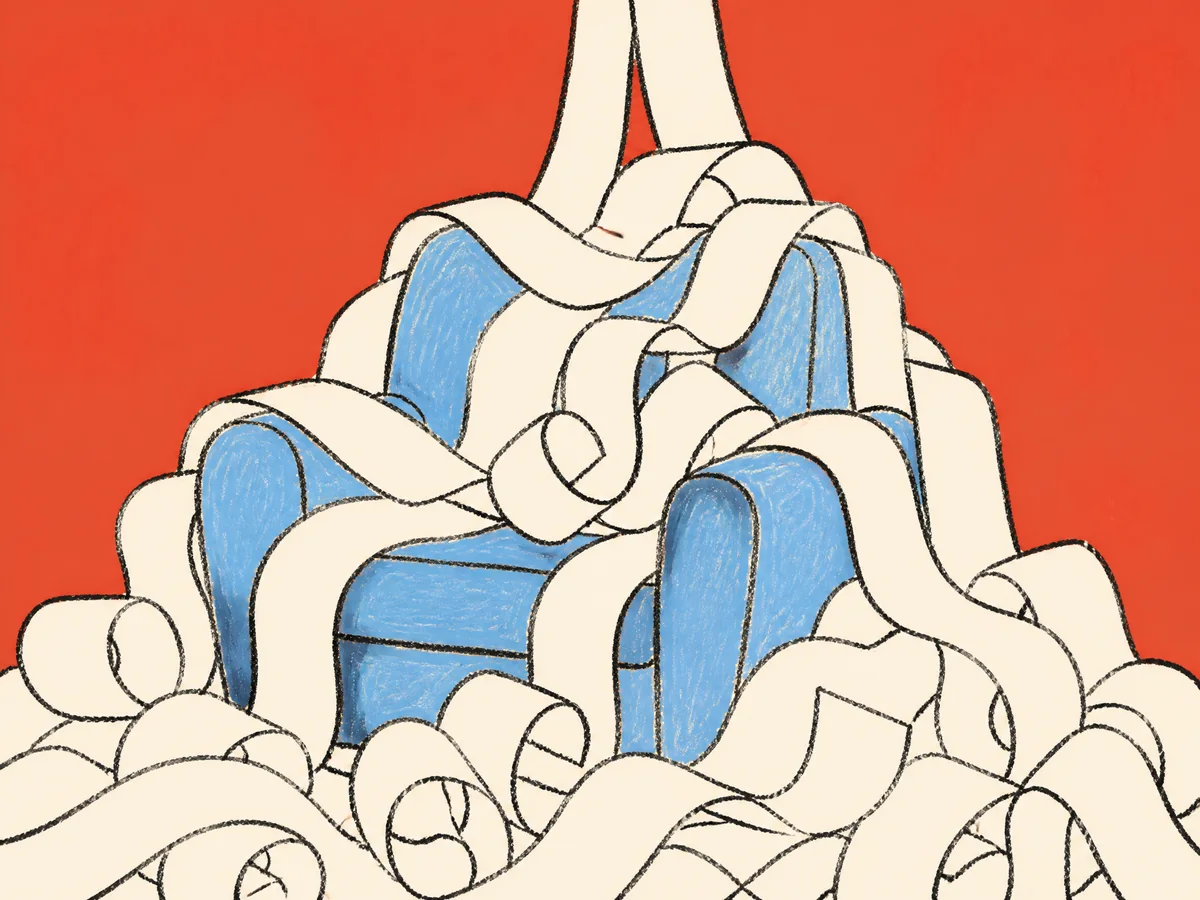
The feed is not evil. It is simply infinite, and infinity is a bad shape for an evening. There is no last post, no closing page, no moment where the thing you were doing announces that it is finished. Every other medium humans invented has an ending built into it. A book runs out of pages. A record runs out of grooves. A conversation runs out of things to say and someone stands up to put the kettle on.
What replaces the ending is a small, permanent hum of almost-interest. You are never bored enough to stop and never engaged enough to remember. Six months of that produces a strange result: a year that felt busy and left no trace.
The argument here is not for discipline. Willpower against a system engineered by thousands of people is a losing bet, and treating your own attention as a moral failing is exhausting. The argument is for substitution. Put something in your hands that has an ending.
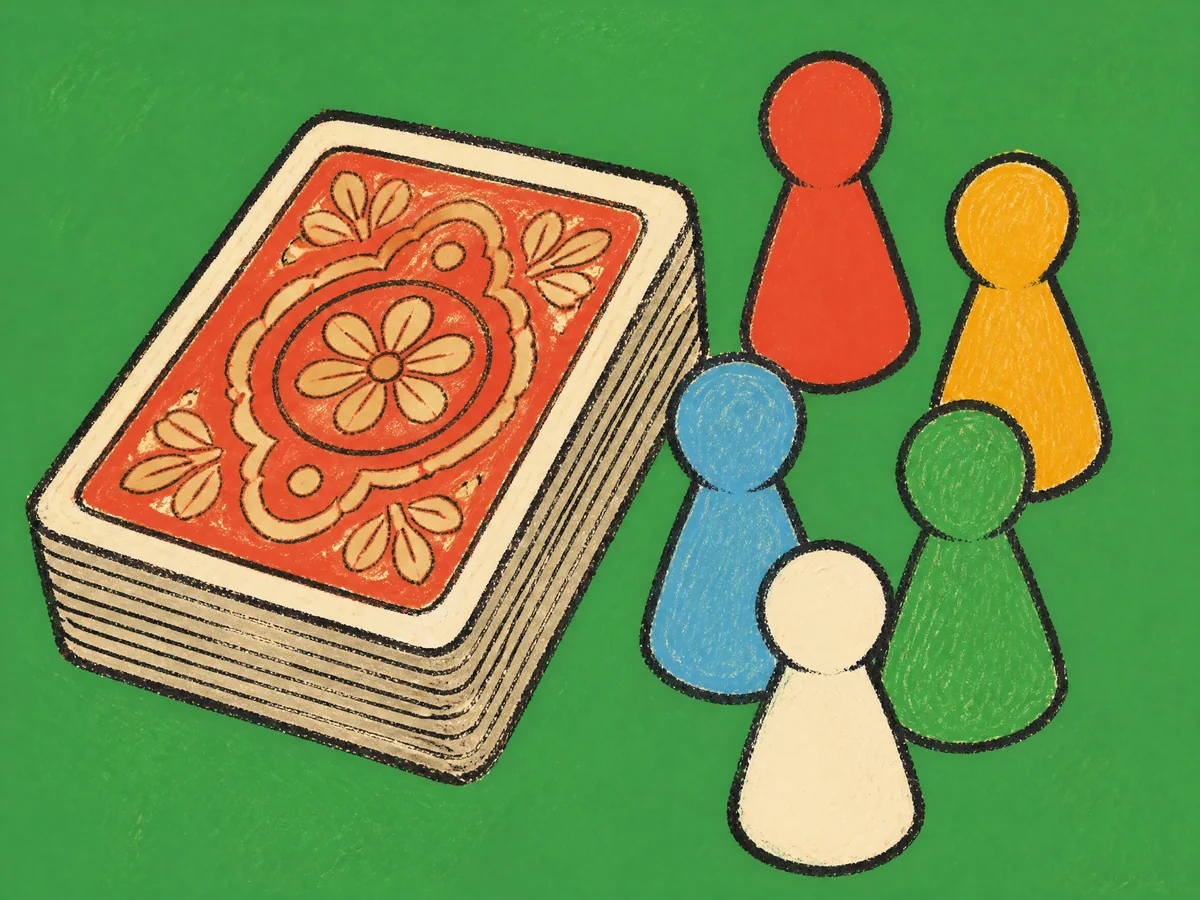
A puzzle ends. A jigsaw with 500 pieces takes about four hours spread over a week, and at the end there is a picture on your table that you and possibly someone you love assembled with your fingers. A journal page ends at the bottom of the page. A card game ends when someone wins. A walk ends when you get home.
Endings are what make time feel like time. They are the punctuation. Without them, the days run together into one long sentence you cannot recall the beginning of.
So: fewer inputs. Not zero. Nobody is asking you to move to a cabin. Just enough fewer that the ones you keep can actually land, and enough tactile things around the house that reaching for one is easier than reaching for the phone. Convenience decides most of our behaviour. Make the good option the nearest one.
Put it into practice
Objects that make this easier.
Journals, puzzles, card games, and other things worth holding.
Browse the shop